
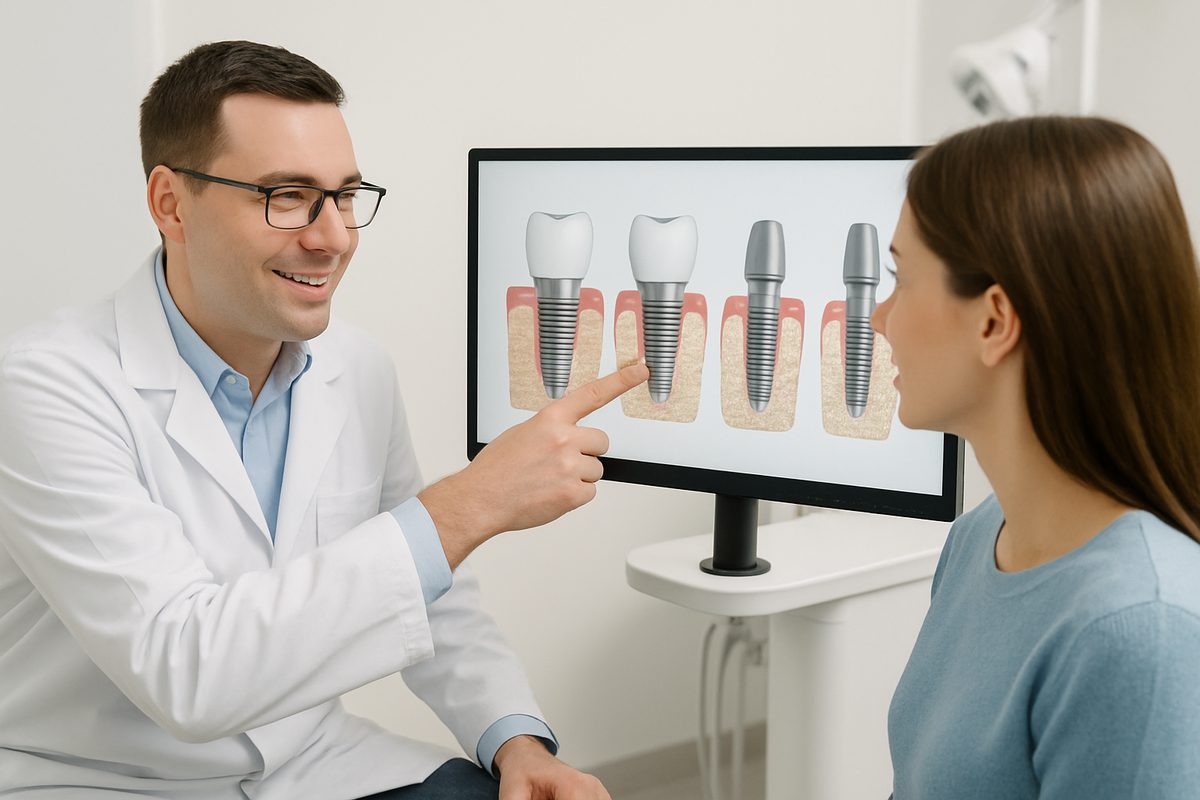
How Dentists Choose Materials: What To Consider
Material Allergies, Testing, and Patient Safety
When choosing the right dental implant materials, understanding the available options is crucial for both safety and comfort. Most commonly, titanium and zirconia are used due to their biocompatibility; however, individual reactions to these materials can vary. While many people tolerate these substances well, some may experience sensitivities or allergies that can impact their selection. This underscores the importance of having an open dialogue with your dentist about your medical history, especially regarding any previous reactions to metals. By incorporating simple, noninvasive tests and developing a clear plan, your dental team can help identify the safest and most effective implant material tailored to your unique needs. In this article, we’ll explore the various dental implant materials, their benefits, and how to make informed choices for your oral health.
Common sensitivities
True titanium allergy is rare. More often, patients react to nickel or other alloy elements used in some dental devices or temporary parts. Signs can include redness, swelling, or ongoing irritation near the implant site. If you’ve had rashes, itchy spots, or unexplained mouth irritation after dental work or jewelry contact, mention this to your dentist.
How testing works
Your dentist or primary care doctor can refer you for patch testing or blood tests to check metal sensitivity. Patch tests apply small amounts of common metals to the skin to detect a reaction; blood tests can evaluate immune responses. These tests are quick and noninvasive, providing clear guidance when choosing between pure titanium, titanium alloys, or metal-free zirconia.
When to choose metal-free options
If testing shows sensitivity, or if you prefer to avoid metal for personal or aesthetic reasons, zirconia implants are a strong metal-free alternative. Zirconia offers good strength and a tooth-colored appearance. Discuss test results, your esthetic goals, and long-term plans with your dentist so you can choose an implant material that fits both your health needs and your smile goals.
Corrosion, Wear, and Maintenance
Caring for Different Implant Materials: Practical Maintenance Tips
Knowing what tooth implants are made of helps you care for them properly. Titanium and zirconia require similar daily care, but subtle differences in wear and esthetics affect how dentists monitor them over time. Good home care and routine professional checks keep implants healthy and help catch small problems before they become bigger.
Daily care and hygiene
Brush twice a day with a soft toothbrush and clean between teeth and around the implant with floss or interdental brushes. Use an antibacterial mouthwash if your dentist recommends it. Consistent plaque control prevents inflammation (peri-implant mucositis) that can progress to bone loss and threaten both titanium and zirconia implants.
Protecting implants from wear
If you grind or clench, your dentist may prescribe a night guard to protect the crown and abutment. Zirconia is very strong but can chip under extreme forces; titanium fixtures are resistant to bending but need protection from overload. Night guards and reducing heavy habits (chewing ice, hard candies) extend the life of any implant restoration.
Long-term checkups: what your dentist looks for
At follow-up visits, dentists check bone levels with X-rays, evaluate soft tissue health, test the tightness of the abutment, and inspect the crown for wear or chips. They also look for signs of corrosion on components or chronic inflammation. Early detection lets your dentist fix small issues—tighten a loose screw, polish a rough spot, or treat inflammation—before major repairs are needed.

