
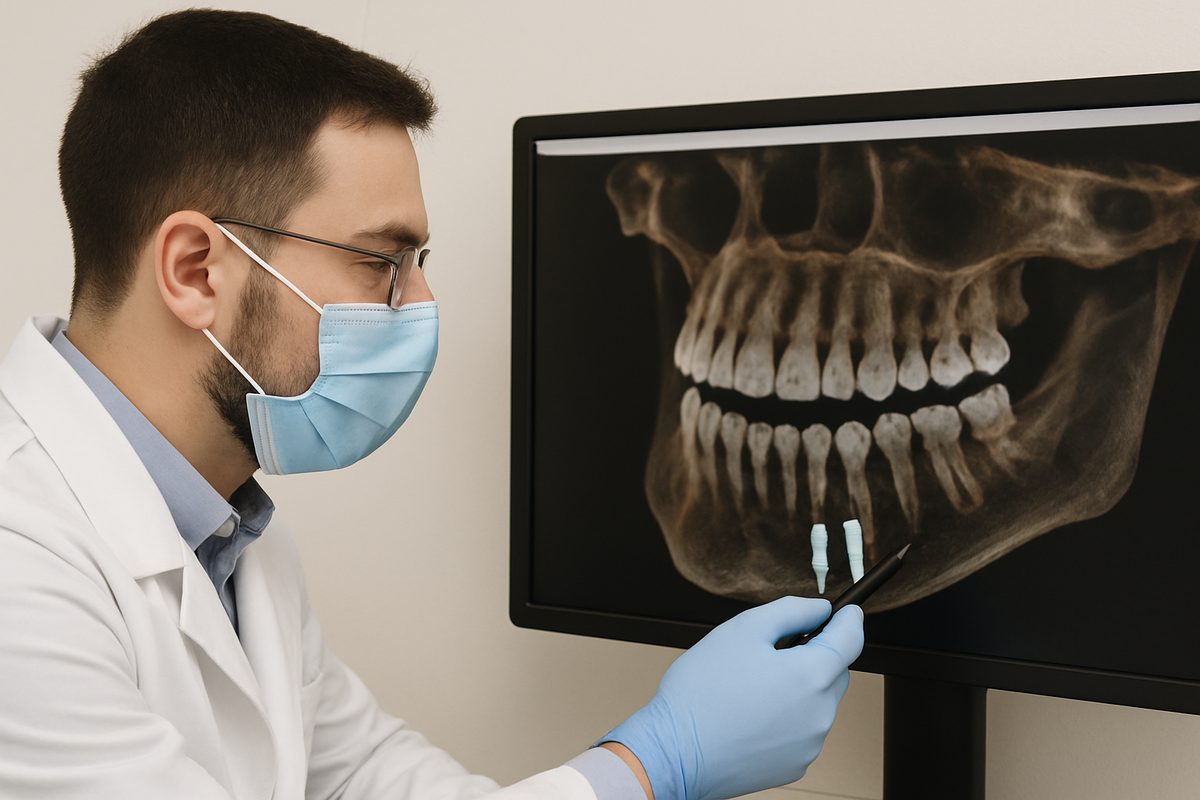
Are teeth implants safe in New Bedford, MA? If you’re weighing implant treatment, this post explains the risks, benefits, modern technology, and how to pick a safe provider near New Bedford, MA. Read on for clear steps you can take, what to expect, and quick answers to common concerns about whether are teeth implants safe for you.
How dental implants work
Dental implants replace a tooth root with a titanium post placed in the jaw. An abutment connects the post to a crown (the visible tooth). Together, post + abutment + crown act like a natural tooth. Implants support bone health, restore chewing strength, and provide long-term stability compared with bridges or dentures.
Common risks and safety concerns
Like any surgery, implants have risks. Most are manageable and rare when care is planned well:
- Infection at the implant site — controlled with antibiotics and good hygiene.
- Nerve injury causing numbness or tingling — uncommon with proper imaging and planning.
- Implant failure (does not integrate with bone) — smoking and poor bone raise this risk.
- Sinus problems for upper-jaw implants placed too high — avoidable with 3D imaging.
- Prolonged healing or pain — usually temporary and treated with meds and follow-up.
Serious complications are uncommon when a trained team uses modern planning and follows infection-control steps.
Are teeth implants safe for patients in New Bedford, MA?
Safety depends on your overall health, not your address. Still, knowing local care options matters. Factors that change safety and success include medical conditions, tobacco use, bone quality, and oral hygiene. A personalized evaluation—medical history, medications, and imaging—shows if implants are right for you in New Bedford, MA.
Factors that affect implant safety
- Patient health and medications (e.g., blood thinners, bone drugs)
- Bone volume and whether bone grafting is needed
- Oral hygiene and existing gum disease
- Provider experience, surgical planning, and follow-up care
How technology improves implant safety near New Bedford, MA
Advanced tools reduce errors and complications. CBCT 3D imaging shows bone shape and nerve location before surgery. Computer-guided planning and surgical guides help place implants at the exact angle and depth needed. Robotic guidance, like Yomi, offers real-time control and haptic feedback to improve precision and lower risk. These technologies make implant care safer for patients by minimizing surprises during surgery.
What to expect during implant treatment
Typical steps:
- Consultation & imaging: exam, 3D scan, medical review, and study models.
- Treatment plan: planned implant location, grafts if needed, and timeline.
- Surgical placement: implant placed with local anesthesia or sedation.
- Healing/osseointegration: 3–6 months while bone fuses to the implant.
- Final restoration: abutment and crown or fixed bridge placed; follow-up visits scheduled.
Many patients return to normal activities quickly. Follow-ups ensure healing and long-term success.
How to lower your risk and choose a safe provider
- Get a full exam and CBCT 3D imaging before any surgery.
- Ask about the provider’s complication and success rates.
- Confirm training and experience with implant systems and technologies.
- Review before/after cases and patient testimonials.
- Follow pre-op and post-op instructions closely (meds, smoking cessation, oral care).
- Keep regular dental and hygiene visits to protect gum health.
Why consider Aarohi Dental for safe implants in New Bedford, MA
Aarohi Dental offers implant care in New Bedford, MA using CBCT, computer-guided placement, LANAP laser therapy, and Yomi robotic guidance to improve accuracy and reduce risk. The team focuses on predictable, patient-centered results. Dr. Sathish G. Palayam and Dr. Minal Narayan lead care that blends implant expertise and restorative skill to help patients get safe, lasting outcomes.
Next steps and quick FAQ
- Typical success rates: Most modern implants have success rates above 90–95% long term.
- Pain expectations: Mild to moderate discomfort for a few days; usually managed with over-the-counter or prescribed meds.
- Insurance & financing: Many plans help cover parts of implant care; ask about financing and payment options in New Bedford, MA.
- When to seek emergency care: severe swelling, uncontrolled bleeding, fever, or sudden numbness — contact your dentist or nearest ER.
If you still wonder, “are teeth implants safe in New Bedford, MA?” schedule a consult to get a personalized assessment and 3D scan. Contact Aarohi Dental to book a consultation in New Bedford, MA.

